Cutting a New Window Opening in an Old Wall
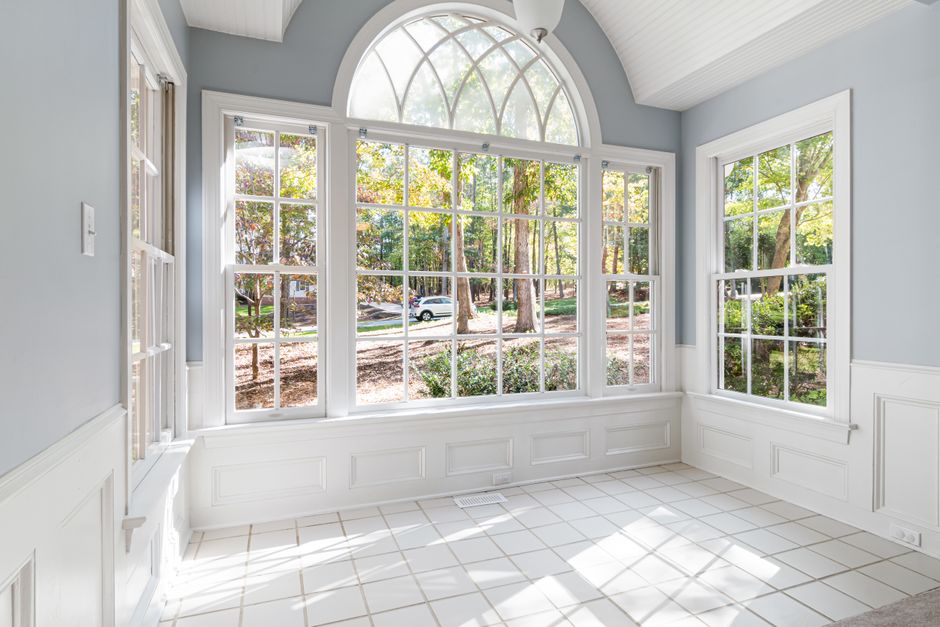
Four to six inches is how much a wall can hide behind its cladding, and the notes kept at austin new windows le mistral houston show surprises in the first cut more often than not. A new window in an older Austin, TX house means opening a wall that has been there for decades, with wiring, pipes and odd framing inside. The crew works out what is in the wall before it picks up the saw.
Finding studs and what is in between
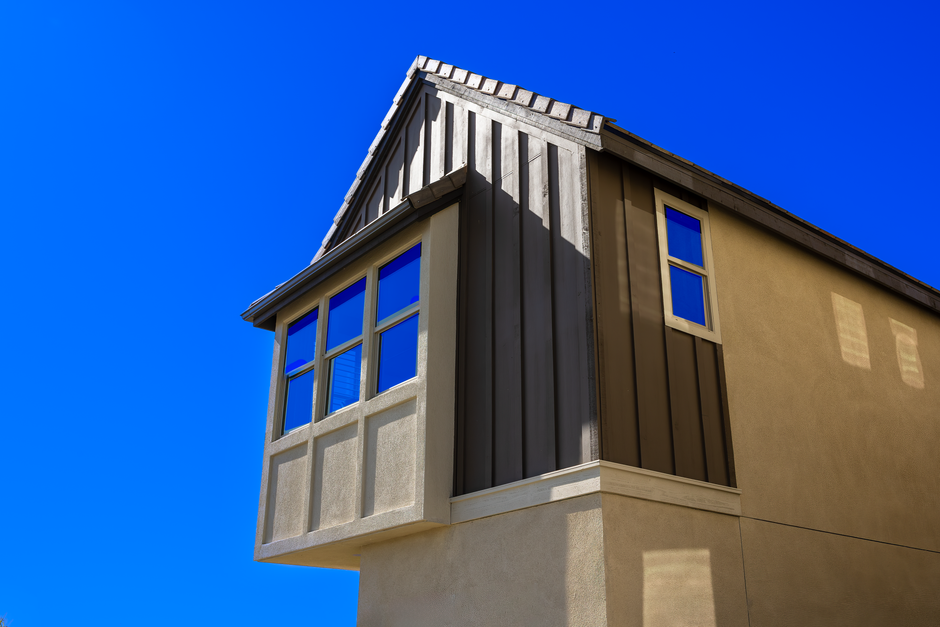
A stud finder gives the first guess, and a small test hole on the inside gives the second. Wiring runs up and down between studs and across them at outlet height. Plumbing runs in the walls near kitchens and baths. Cutting a window into a wall holding a vent stack or a main supply line means rerouting before the header goes in.
Stucco, siding or limestone
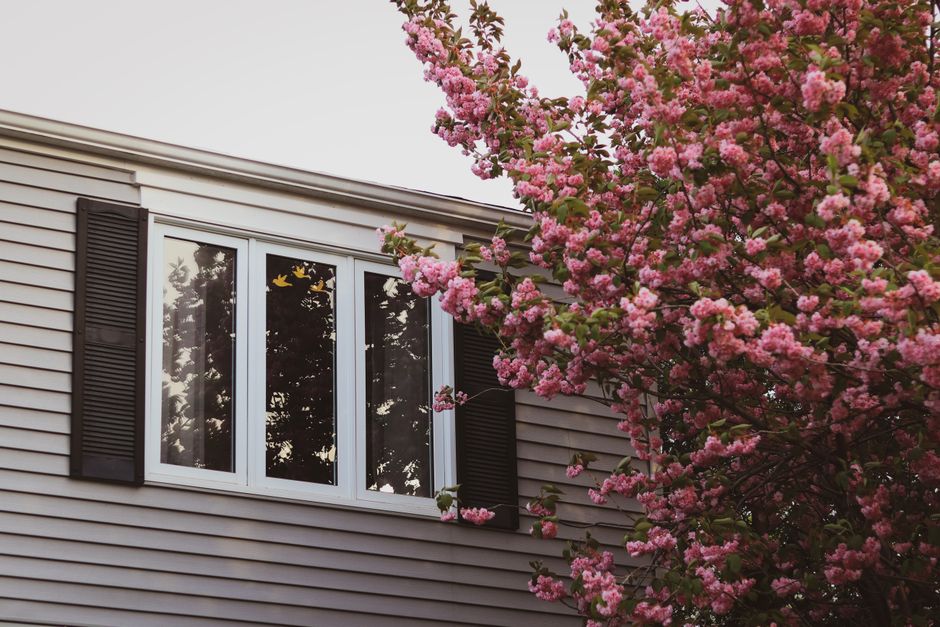
Cladding decides how the opening is cut. Wood siding is cut back to the framing and patched at the edges. Stucco is scored with a diamond blade to a clean line. Limestone and stone veneer, common in Tarrytown and parts of Travis Heights, take a masonry saw and a steel lintel above the opening. Matching a new casing to old cladding is slow work.
Pier and beam versus slab
Houses on pier and beam foundations move with the clay, and walls near the Balcones Fault and the soils along the Colorado River can shift out of square over time. A new opening in a wall that has racked may be out of plumb on arrival. Slab houses tend to hold their walls steadier, but door and window heads still need a level check before framing.
Matching the old trim and wrap
The new window needs the same flashing as new construction, but in an old wall it is built backward, by working the wrap under the old siding at the head. A wood window or a clad window suits an older house better than a bare vinyl window next to old wood. Mueller houses are newer and use sheathing and wrap that a crew can lap more easily.
Closing up and checking
After the unit is set, check it for level and plumb and run the sash through its travel. Seal the head, caulk the casing, and look at the inside finish. A new picture window in a wall that was solid last week needs paint and texture to disappear. A double hung or single hung sash that sticks right after install usually means the opening racked while the wall was open.